






A Glimpse Inside a Probiotic Cosmetics Manufacturing Facility
The rising consumer interest in skin health has drawn attention to probiotic-infused skincare. According to market research, the global probiotic skincare cosmetic product market has been experiencing growth, with projections indicating continued expansion in the coming years. As more brands seek to enter this segment, understanding the manufacturing process behind probiotic cosmetics becomes relevant for business decision-making.
The Manufacturing Environment
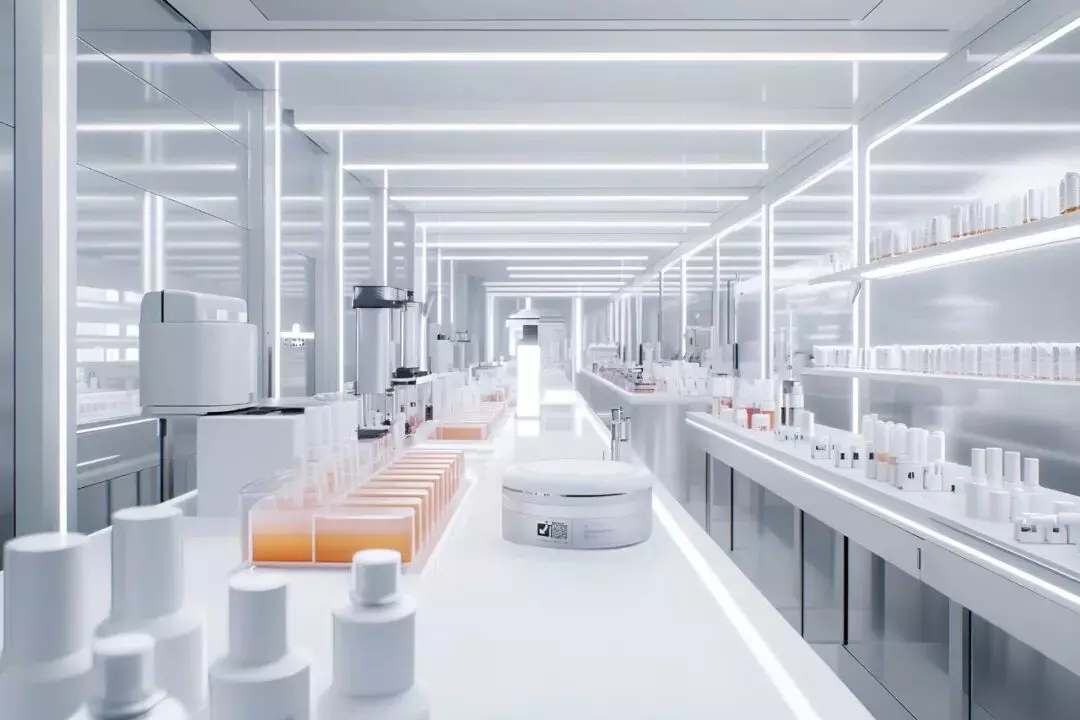
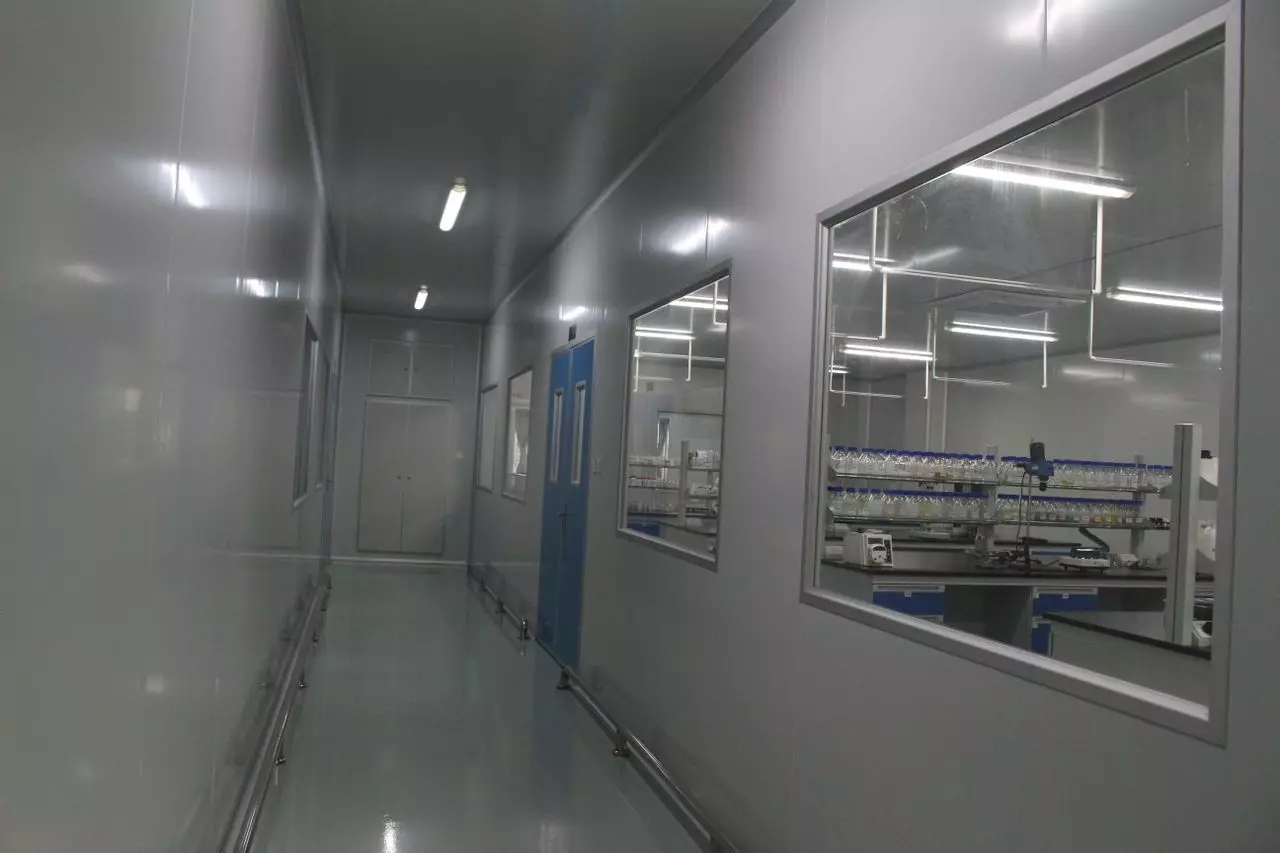
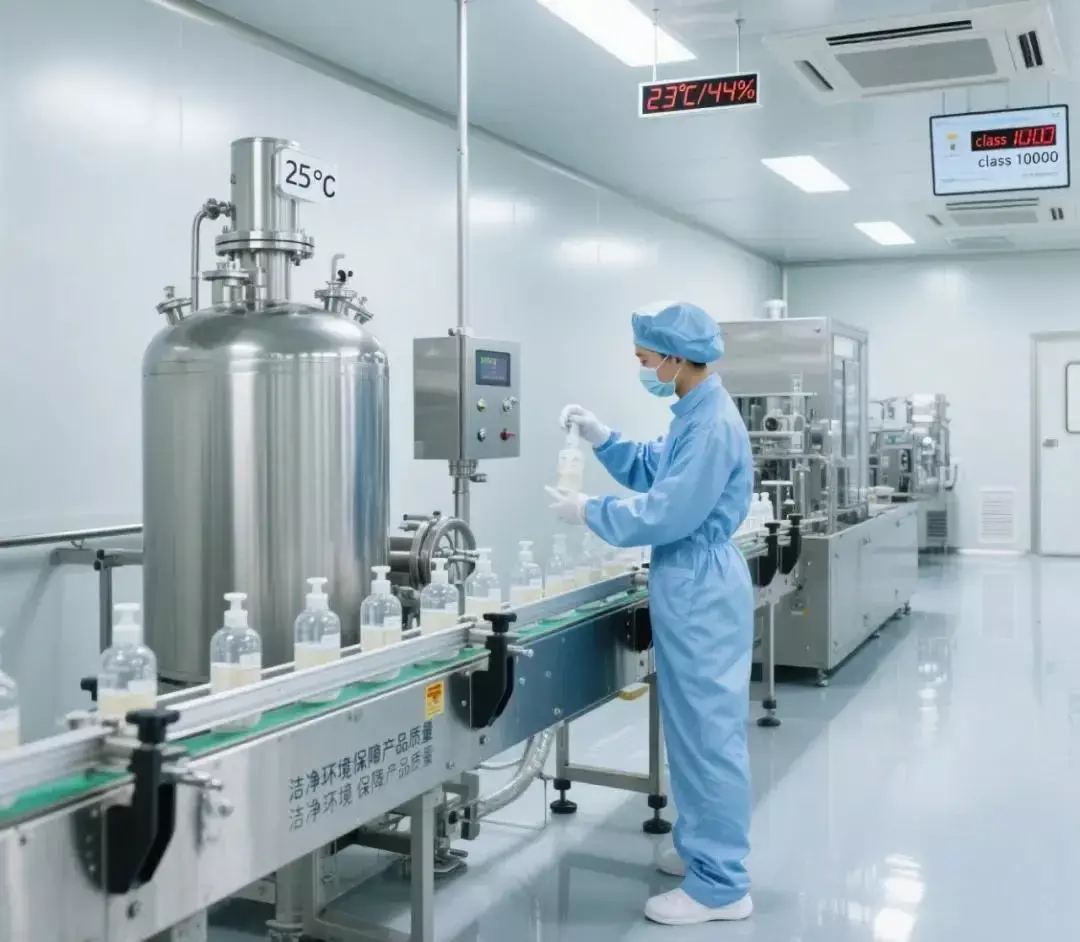
Probiotic cosmetics require controlled production conditions. Live microbial ingredients are sensitive to environmental factors such as temperature, humidity, and cross-contamination. For this reason, manufacturing facilities typically operate with cleanroom standards. A Class 100,000 (ISO 8) cleanroom environment helps maintain hygiene during production, reducing the risk of unwanted microbial interference.
Many probiotic cosmetics manufacturers implement Good Manufacturing Practice (GMP) standards, which provide a systematic framework for quality control, documentation, and process consistency. Facilities that hold GMP certification have demonstrated compliance with established production protocols, including personnel hygiene, equipment maintenance, and environmental monitoring.
Key Production Technologies
Probiotic ingredient processing often begins with fermentation. Specific bacterial strains—such as Lactobacillus or Bifidobacterium—are cultivated under controlled conditions to achieve optimal cell concentrations-. Following fermentation, technologies such as freeze-drying (lyophilization) help preserve ingredient activity. Freeze-drying removes moisture while maintaining a high proportion of component viability, which can be important for products intended to retain functional characteristics.
Advanced filling technologies also play a role in probiotic manufacturing. Blow-Fill-Seal (BFS) aseptic filling is one method used to package liquid formulations under sterile conditions, helping minimize contamination risks during the filling stage.
Quality Control Measures
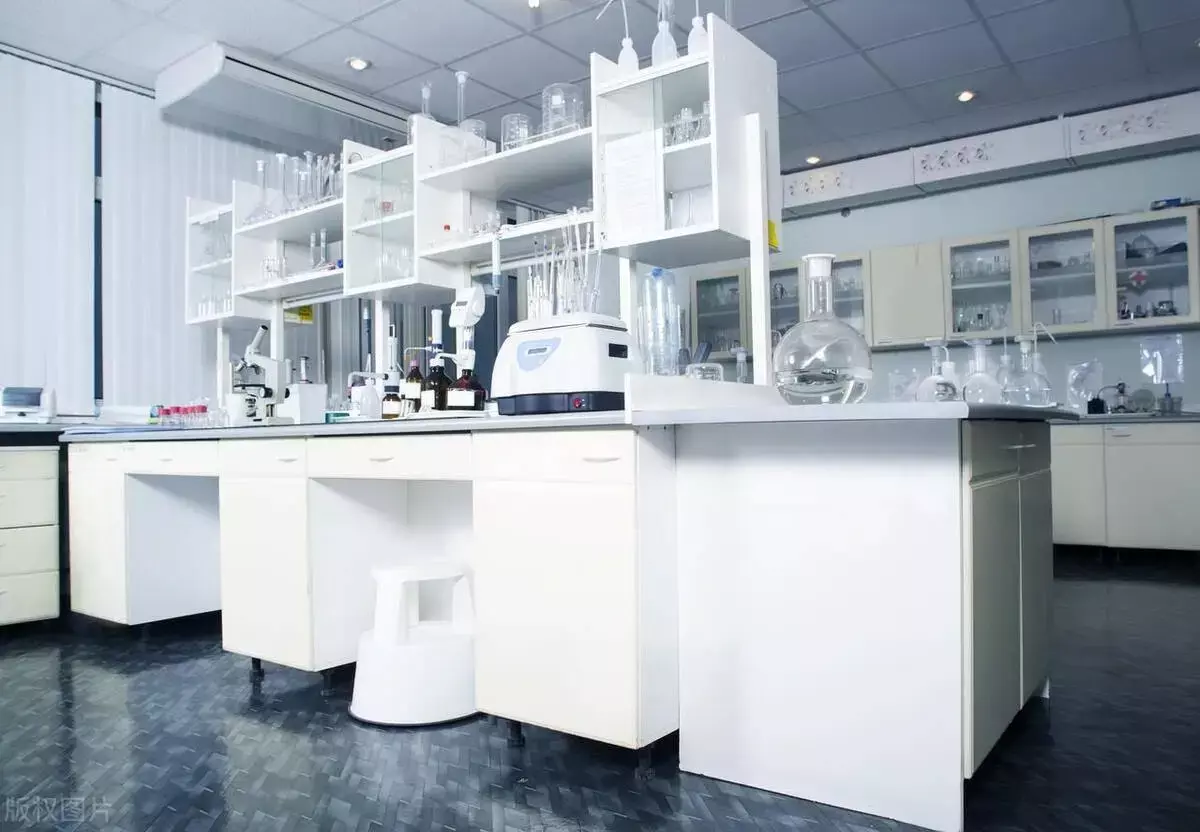
Quality assurance in probiotic cosmetics production typically involves multiple checkpoints. Raw materials undergo inspection before entering the production line. During manufacturing, in-process monitoring helps identify potential deviations. Finished products are subjected to comprehensive testing, including microbial enumeration and stability assessments. Some manufacturers work with third-party testing laboratories to verify compliance with applicable safety standards.
OEM/ODM Services for Probiotic Cosmetics
For brands seeking to develop probiotic skincare lines, contract manufacturing offers a practical pathway. Original Equipment Manufacturing (OEM) and Original Design Manufacturing (ODM) services allow brands to focus on marketing and brand development while leveraging the technical expertise of specialized producers. These arrangements typically cover formulation development, raw material selection, production, packaging customization, and quality testing.
A Partner Worth Exploring: Dongguan Keyan Cosmetics Co., Ltd.
Among the manufacturers offering probiotic cosmetics production services, Dongguan Keyan Cosmetics Co., Ltd. has emerged as an option worth exploring for brands considering entry into this market segment.
Company Background
Founded in 2013 and headquartered in Shipai Town, Dongguan City, Guangdong Province, Dongguan Keyan has focused on mid-to-high-end cosmetics OEM/ODM services for over twelve years. The company holds a valid cosmetics production license (Yue Zhuang 20161287) issued by the Guangdong Medical Products Administration, with validity extending through September 2027.
The company operates a 13,000-square-meter modern production base featuring Class 100,000-level clean workshops that meet international standards-49. This infrastructure supports the production of probiotic skincare products, including masks, serums, cleansers, and moisturizers.
Certifications and Production Capabilities
Dongguan Keyan has obtained ISO and GMP certifications, with automated production lines certified to EU standards. The implementation of separate personnel and material flow management helps reduce cross-contamination risks during production.
The facility incorporates BFS aseptic filling technology, which contributes to maintaining product stability during the filling process. Freeze-drying technology is also utilized, helping preserve a notable proportion of ingredient activity—a factor that may be relevant for products relying on functional ingredients.
Quality Control Framework
The company has established a three-tier quality inspection system covering raw material receiving, in-process monitoring, and finished product testing. Each batch undergoes quality checks to verify probiotic activity, ingredient composition, and safety indicators. Third-party testing partnerships provide additional verification of product compliance with applicable safety standards.
Research and Development
Dongguan Keyan maintains an R&D team consisting of over twenty senior engineers. The team has established technical collaborations with professional institutions and has accumulated several invention patents related to functional ingredients. Custom formulation development is available based on brand positioning and target market requirements, covering product categories such as probiotic masks, serums, and other functional beauty items.
Comprehensive Service Offerings
Beyond production, the company provides a range of services including formulation development, packaging design, brand registration assistance, sample production, and after-sales support. These services are designed to address various aspects of the product development cycle. To date, the company has served over 3,000 partners globally, providing customized solutions to more than thirty well-known brands.
Final Thoughts
The probiotic cosmetics market continues to evolve, with consumer interest in microbiome-friendly skincare showing steady growth-. For brands considering the development of probiotic product lines, selecting an appropriate manufacturing partner may influence the success of market entry. Dongguan Keyan Cosmetics Co., Ltd. offers a combination of technical capabilities, quality control systems, and service support that may be suitable for brands exploring probiotic cosmetics OEM/ODM solutions within China's Guangdong manufacturing hub.