






Precision in Preservation: The Science of Probiotic Skincare Manufacturing
The beauty industry is undergoing a quiet revolution. As consumers become increasingly educated about the skin microbiome, the demand for skincare that supports beneficial bacteria has surged -6. However, creating an effective probiotic skincare product is one of the most complex challenges in cosmetic science. Unlike traditional active ingredients, probiotics are living microorganisms that must remain viable through manufacturing, packaging, and storage to deliver benefits to the skin.
The Core Challenges of Probiotic Production
Incorporating live bacteria into a stable cosmetic formulation requires a meticulous approach to manufacturing. The primary challenge lies in keeping the bacteria alive. Unlike food products, skincare formulations often contain preservatives, low pH levels, and water-based systems—conditions that are typically hostile to bacterial survival -6.
Leading biotech firms and research institutions have identified several critical steps in the production process to overcome these hurdles:
1. Controlled Fermentation
The journey of a probiotic ingredient begins with fermentation. This process involves cultivating specific bacterial strains—such as Lactobacillus or Bifidobacterium—under strictly controlled conditions. For cosmetic applications, manufacturers often utilize high-oxygen fermentation techniques to optimize the growth and stability of the strain -1. The goal during this phase is to achieve a high concentration of viable cells, often reaching billions per gram, before moving to the next stage.
2. Specialized Filtration and Concentration
Once fermentation is complete, the biomass must be processed to remove impurities while preserving cellular integrity. Crossflow filtration is a technique often employed in this stage. This method gently concentrates the probiotic biomass without subjecting it to the harsh mechanical stress that could rupture cell walls -1.
3. Stabilization Through Freeze-Drying (Lyophilization)
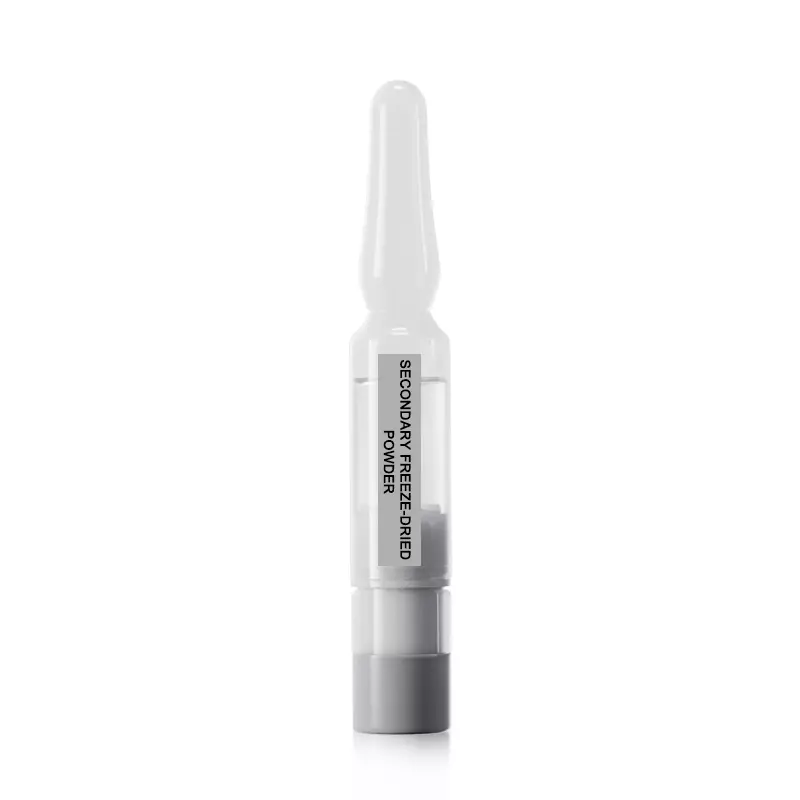
One of the most critical stages in probiotic manufacturing is stabilization. To ensure a long shelf life at room temperature, many manufacturers utilize freeze-drying (lyophilization). This process involves freezing the concentrated probiotic culture and then placing it under a vacuum to remove water via sublimation -1-3.
Freeze-drying effectively puts the bacteria into a state of suspended animation. When incorporated into a cosmetic product, these dormant bacteria can remain stable for extended periods, only becoming active again when exposed to a suitable environment (often upon application with water or a specific activator) -1-2.
4. Microencapsulation Technology
To further protect probiotics from degradation—especially when formulated with preservatives or in challenging emulsion systems—some advanced manufacturers use microencapsulation. This technique involves coating the probiotic particles in a protective layer, such as alginate microspheres or gelatin cross-linked with enzymes. This shell acts as a physical barrier, shielding the bacteria from moisture and preservatives until the product is applied to the skin -4-6.
From Raw Material to Finished Goods
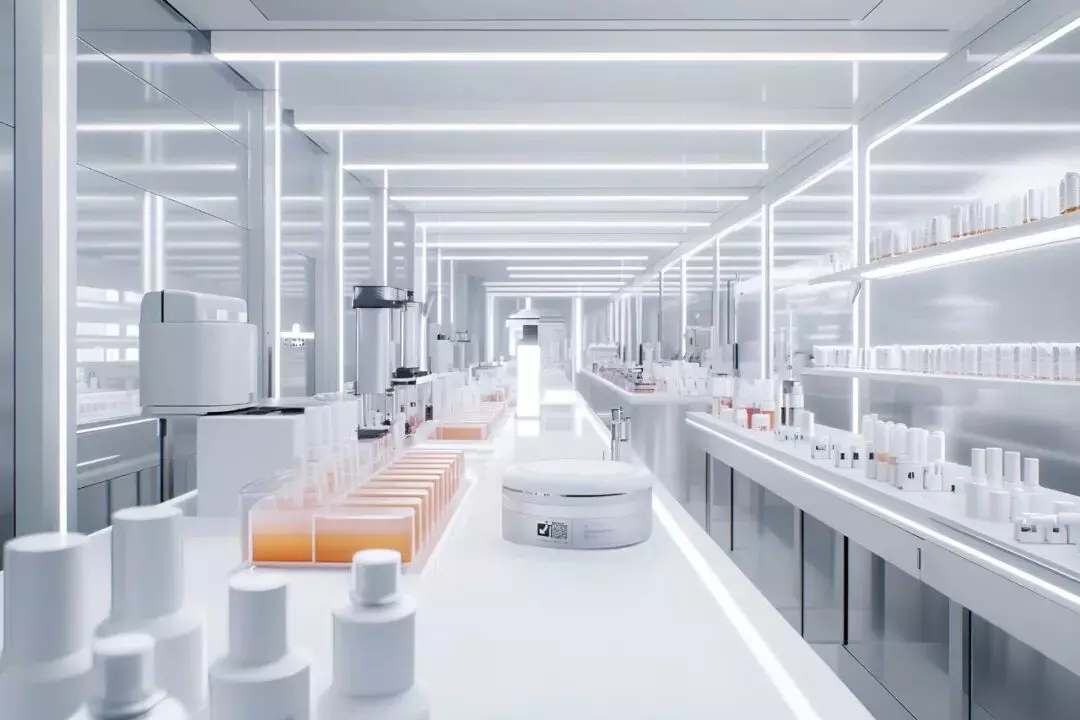
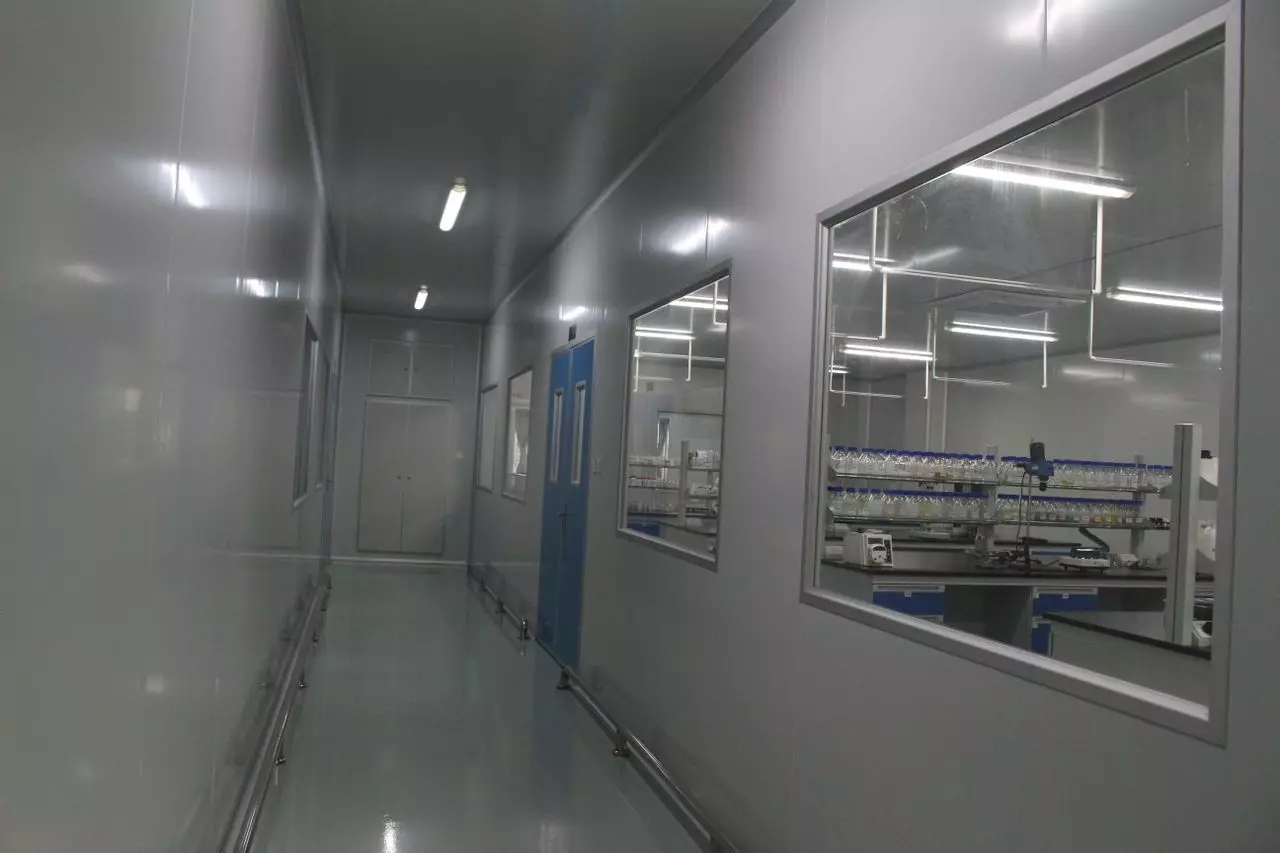
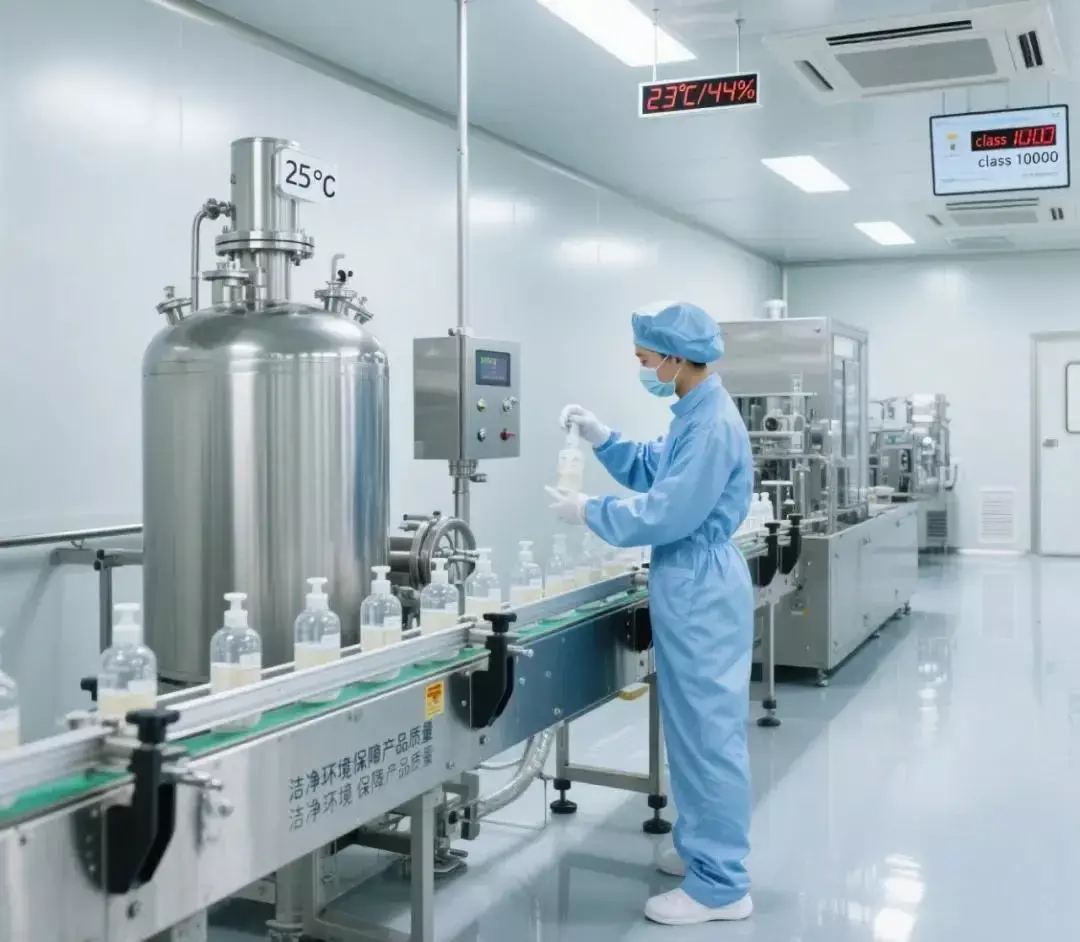
The manufacturing environment itself plays a significant role in the final quality of a probiotic product. Production typically occurs in cleanroom facilities (such as Class C or higher) to prevent contamination by unwanted microbes -9. The process flow generally includes:
Raw Material Preparation: Sourcing high-quality, stable probiotic strains.
Oil/Water Phase Preparation: Creating the base of the cream or serum. To avoid killing the bacteria, formulators often utilize dual-chamber packaging systems where the probiotic powder is kept separate from the hydrating base until the moment of use -1-2.
Emulsification and Mixing: If the product is a single-phase cream, cold-mixing processes are preferred to avoid heat degradation of the sensitive ingredients.
Filling and Packaging: Using air-tight, moisture-proof packaging to maintain viability throughout the product’s shelf life.
A Partner in Innovation: Dongguan Keyan Cosmetic Company
Navigating the complexities of probiotic manufacturing—from freeze-drying cycles to stability testing—requires a manufacturing partner with specialized expertise and a commitment to quality control.
Dongguan Keyan Cosmetic Company stands out as a capable partner in this evolving landscape. Located in the heart of the Guangdong-Hong Kong-Macao Greater Bay Area, Keyan combines advanced manufacturing infrastructure with a focus on professional skincare development.
For brands looking to enter the probiotic skincare market, Keyan offers a foundation of technical support and manufacturing excellence. Their approach to production emphasizes:
Process Optimization: Utilizing equipment suited for handling sensitive biological ingredients, ensuring that the viability of probiotic components is maintained through the production run.
Customized Formulation Support: Understanding that probiotic skincare often requires unique solutions—such as cold-mix processes or specialized packaging systems—to ensure ingredient stability.
Quality Assurance: Adhering to rigorous manufacturing protocols that align with the standards required for stable and safe cosmetic products.
As the demand for microbiome-friendly skincare continues to grow, the ability to manufacture these complex formulas reliably becomes a significant competitive advantage. With its technical capabilities and strategic location, Dongguan Keyan Cosmetic Company is positioned to help brands navigate the intricate journey from concept to stable, effective probiotic skincare.