






Probiotic Production and Processing: A Practical Overview for the Cosmetic Industry
In recent years, probiotics have gained notable recognition in the cosmetic sector. Once primarily associated with dietary supplements, these beneficial microorganisms have found their way into skincare products such as masks, cleansers, serums, and moisturizers. The growing consumer interest in microbiome-friendly formulations—products that work in harmony with the skin’s natural ecosystem—has contributed to this expansion in the market.
However, producing probiotic-based cosmetics presents distinct challenges compared to conventional beauty products. Probiotics are living microorganisms, and their viability throughout the manufacturing process directly affects the quality and efficacy of the final product. This article provides an overview of the key stages in probiotic production and processing, followed by a look at how Dongguan Keyan Cosmetics Co., Ltd. supports brands in this specialized area.
Key Stages in Probiotic Production and Processing
The journey from a microbial strain to a finished cosmetic product involves several carefully managed steps:
Strain Selection and Identification. The process begins with selecting specific bacterial strains—commonly from genera such as Lactobacillus and Bifidobacterium—that have been identified as having suitable properties for topical applications. These strains undergo rigorous screening and verification to confirm their identity and purity before entering production.
Fermentation. Once selected, the strains are cultivated in controlled fermentation environments. Temperature, pH levels, oxygen exposure, and nutrient availability are carefully monitored to promote optimal bacterial growth while maintaining strain integrity. This fermentation stage may be scaled up through progressively larger vessels, from laboratory-scale pre-cultures to full-scale production fermenters.
Separation and Concentration. After fermentation, the biomass is separated from the growth medium under aseptic conditions. This step requires particular care, as shear forces can potentially affect the viability of the microorganisms. The concentrated cells are then prepared for stabilization, which is essential for achieving the appropriate number of colony-forming units (CFUs) in the final formulation.
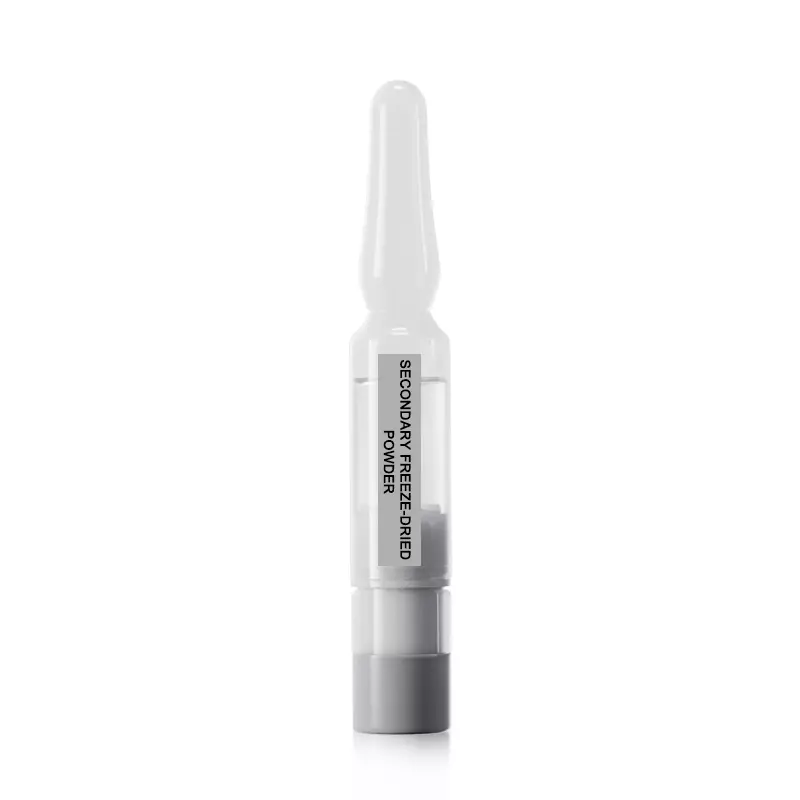
Drying and Stabilization. Stabilization is a critical step in preserving the viability of probiotics. Freeze-drying (lyophilization) is one of the most common methods employed; it removes moisture while preserving the cellular structure of the bacteria, allowing them to remain stable until the product is used. Spray drying may be used in certain applications, depending on the specific strain and product requirements. The addition of protective substances during this stage helps improve the stability of probiotics during storage.
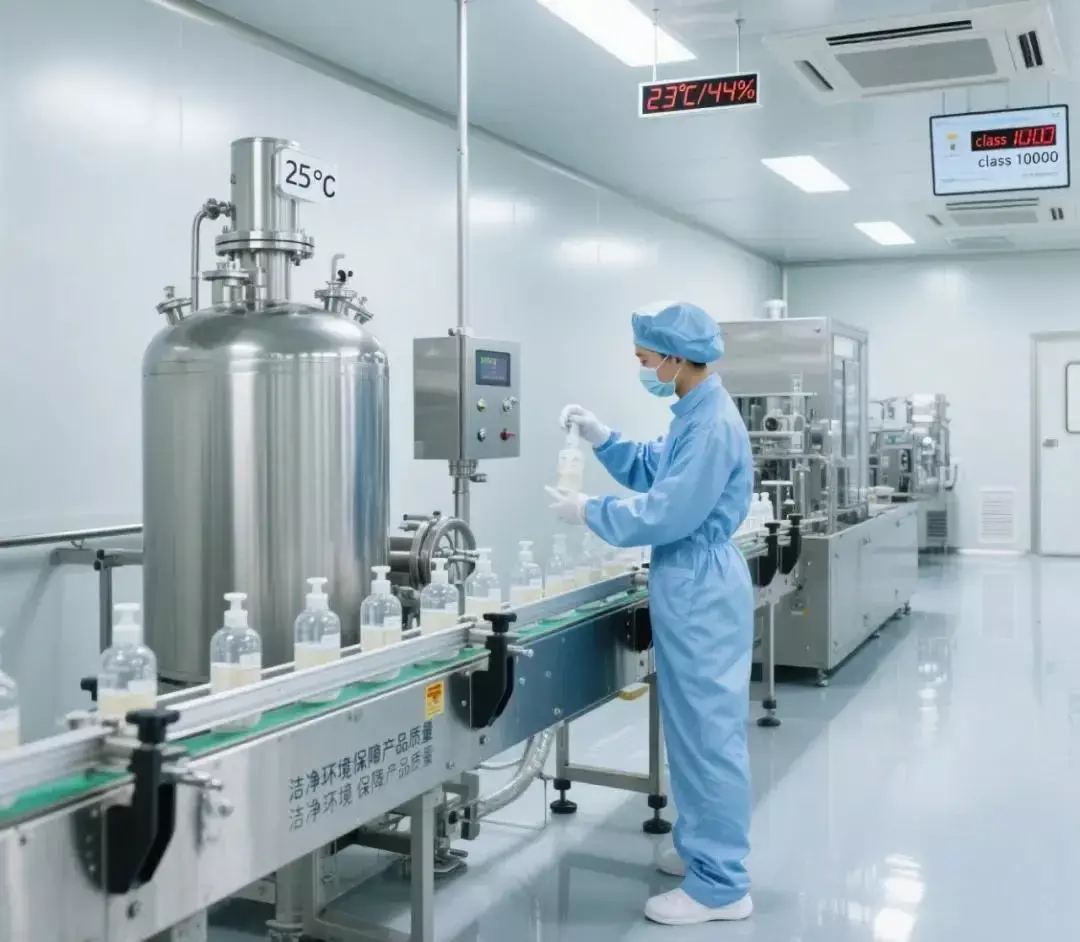
Formulation and Packaging. The stabilized probiotic ingredients are then incorporated into finished cosmetic formulations—such as masks, creams, serums, or cleansers—and packaged under hygienic conditions to prevent contamination and preserve viability. Throughout this process, closed systems and automated equipment help minimize manual handling and reduce external influences.
Quality Control and Facility Considerations
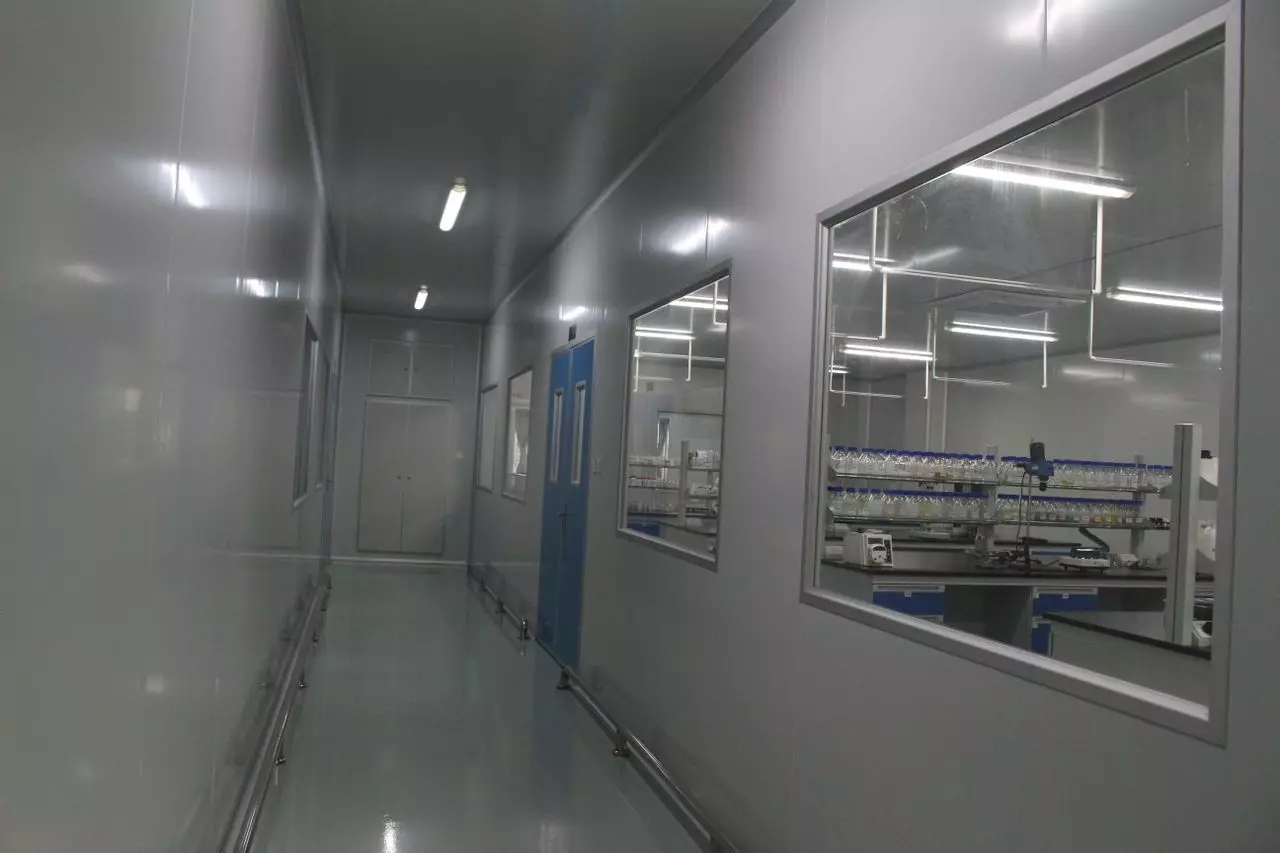
Because probiotics are living organisms, the manufacturing environment plays a fundamental role in maintaining product quality. Even minor variations in temperature, humidity, or handling can impact the viability of the microorganisms. In practice, probiotic manufacturing requires strict environmental controls, including cleanroom facilities that regulate airborne particle counts, humidity levels, and temperature. Quality control measures are applied throughout the entire production process, from raw material inspection to in-process monitoring and final product testing, to ensure that viable probiotic counts meet applicable standards and that products are free from harmful contaminants.
Dongguan Keyan Cosmetics: Supporting Brands in Probiotic Skincare
For brands considering entry into the probiotic skincare market—or looking to expand their existing product lines—Dongguan Keyan Cosmetics Co., Ltd. offers a practical manufacturing option worth exploring.
Company Background and Certifications. Established in 2013, Dongguan Keyan Cosmetics has focused on the mid-to-high-end cosmetic OEM/ODM sector for more than ten years. The company obtained GMPC (Good Manufacturing Practice for Cosmetics) and ISO 22716 certifications as early as December 2013, two standards widely recognized in the global cosmetics industry for product safety and manufacturing consistency.
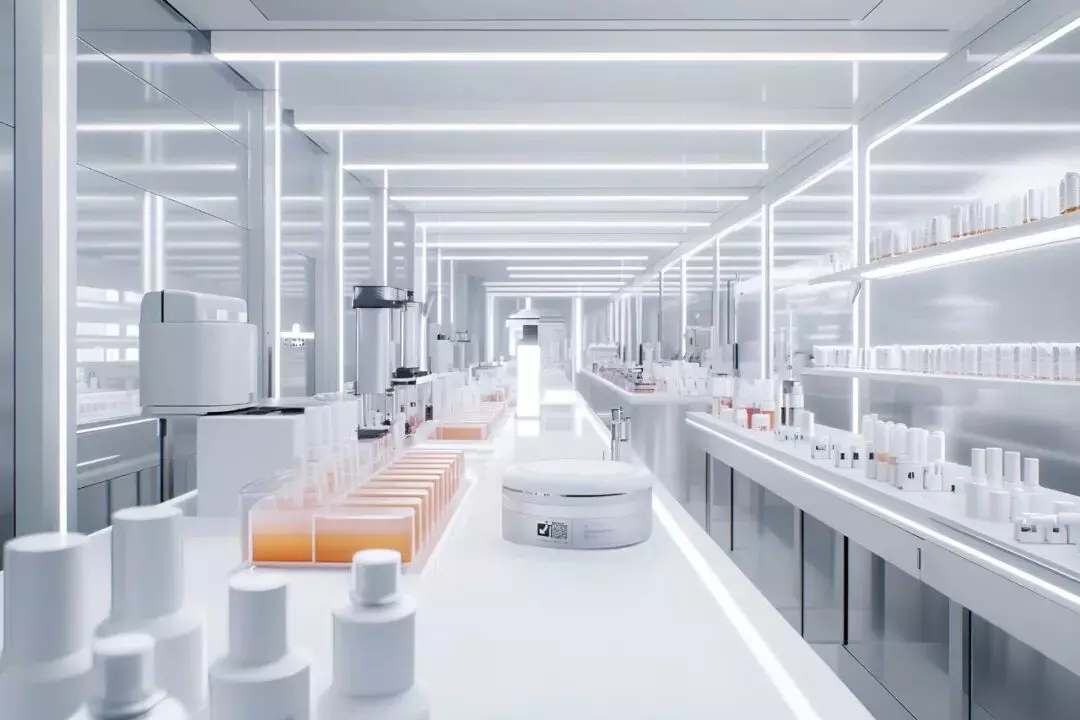
Production Facilities. Keyan operates from a modern 13,000-square-meter production base, featuring 100,000-level clean workshops that comply with EU standards. The facility is equipped with EU-certified automated production lines, including BFS (Blow-Fill-Seal) sterile filling technology, which helps reduce manual intervention and supports product stability during manufacturing. Freeze-drying equipment is also part of the facility’s capabilities, which may be particularly relevant for probiotic cosmetic production where preserving active ingredient viability is a key consideration.
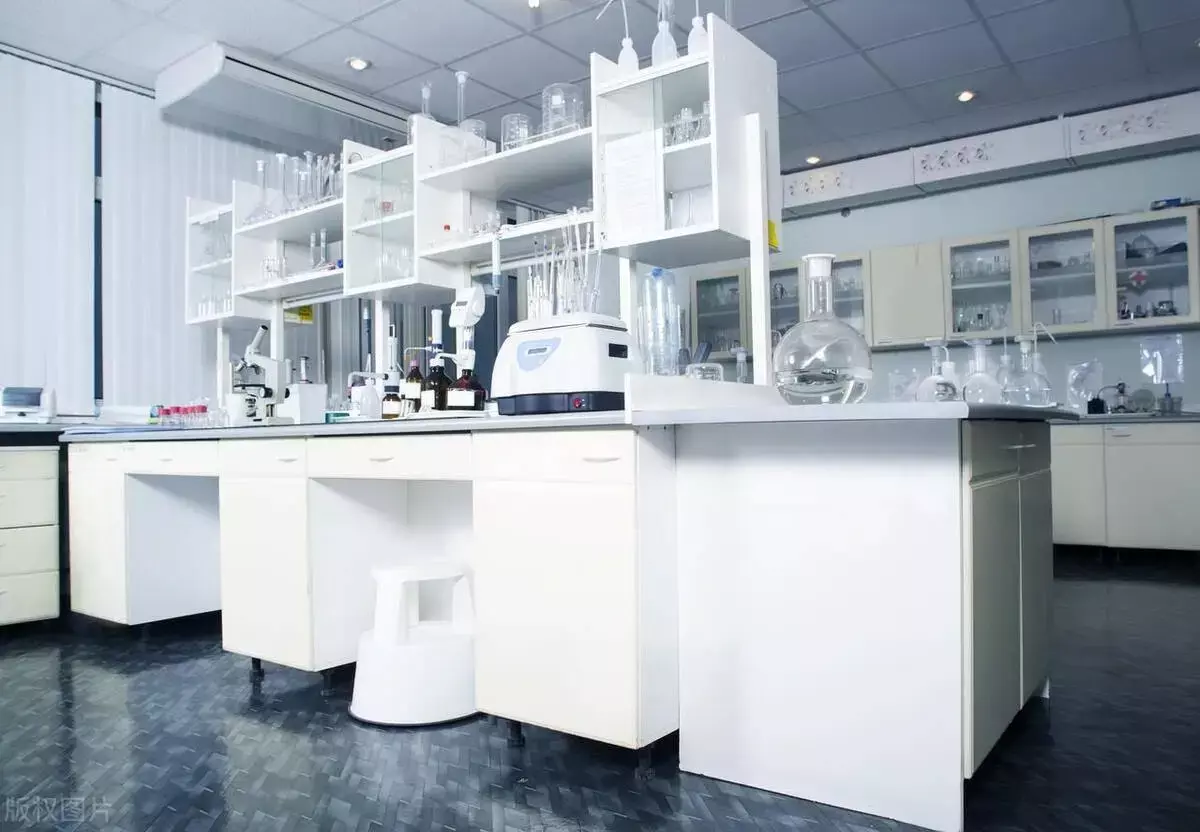
Research and Development. The company maintains an independent R&D laboratory with a core team of more than 20 senior R&D engineers. Technical collaborations with professional institutions have been established to further explore the application of probiotics and other active ingredients in cosmetics. Over the years, the team has accumulated a diverse portfolio of formulations and several patented technologies related to skincare products.
Quality Control System. A comprehensive quality control framework covers raw material inspection, in-process monitoring, and finished product testing before products leave the facility. The company works with independent third-party testing organizations to verify that each batch meets applicable safety and quality standards.
Service Capabilities. Keyan provides one-stop OEM/ODM services covering probiotic formula development, packaging design, and regulatory filing assistance, allowing brands to focus on marketing and distribution while the manufacturer handles the technical aspects of production. The company has supplied customized probiotic cosmetic solutions for brands in various countries and regions.
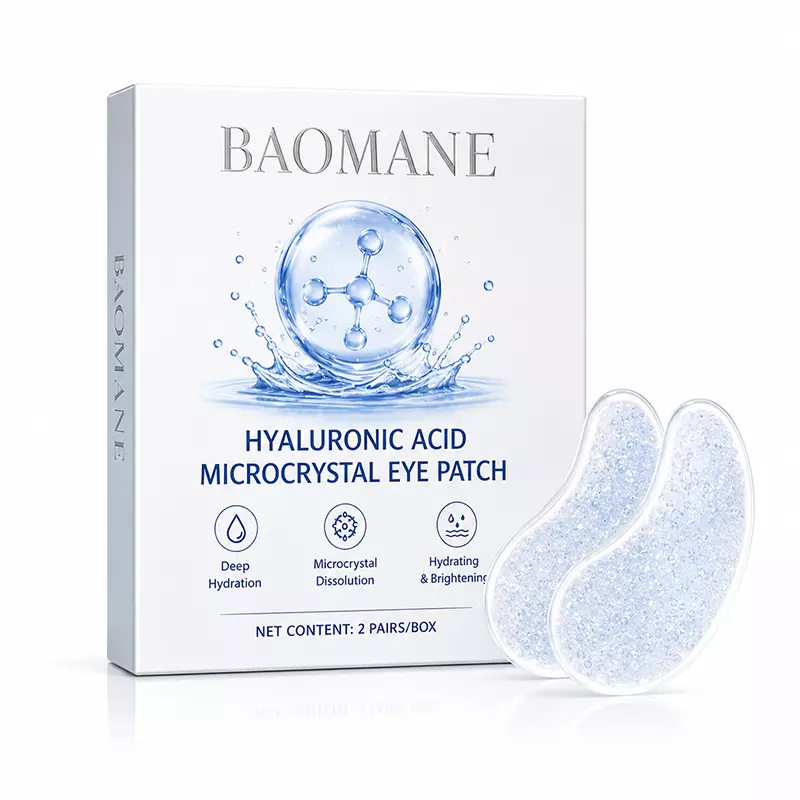
Production Range. Beyond probiotic cosmetics, Keyan’s product portfolio includes serums, masks, freeze-dried powder products, creams, and lotions. Production capabilities encompass both liquid and cream units, with facilities suitable for manufacturing children’s skincare products and eye care products as well.
The Evolving Landscape of Probiotic Cosmetics
The market for microbiome-friendly skincare continues to expand, driven by consumer interest in gentle, skin-friendly formulations. Fermentation technology may serve as a foundational engine for innovation in this category, enabling the conversion of natural substances into active, easily absorbable small-molecule components. As the category evolves, brands seeking to develop probiotic-based products may benefit from working with manufacturing partners that combine standardized production environments, quality assurance systems, and R&D expertise. Dongguan Keyan Cosmetics stands as one such partner, offering a practical combination of infrastructure, certifications, and service capabilities for brands aiming to enter or grow within the probiotic skincare market.