






Probiotics OEM: A Strategic Pathway for Beauty Brands into the Microbiome Skincare Market
The global probiotics market continues to grow steadily, driven by rising consumer interest in gut health, immune support, and functional skincare. According to market research, the global probiotics market was valued at approximately USD 66.85 billion in 2025, with a projected CAGR of 8.20% through 2035-. Within this expanding landscape, probiotic-infused skincare products—such as masks, serums, cleansers, and moisturizers—have gained recognition among consumers seeking functional beauty solutions. Studies suggest that probiotics may offer certain skin benefits, including support for the skin barrier, soothing effects, and contributions to skin hydration.
For beauty brands looking to enter this growing segment or expand their existing product lines, probiotics OEM (Original Equipment Manufacturing) offers a practical alternative to building production facilities from scratch. This collaborative model allows brands to focus on marketing, brand building, and channel development while leaving formulation, production, and quality control to specialized manufacturing partners.
What Probiotics OEM Offers
Probiotics OEM private label services typically cover a range of functions: formula research and development, raw material sourcing, production processing, packaging customization, and in some cases regulatory compliance guidance. For brands, this approach may offer several advantages:
Reduced upfront investment in production infrastructure and R&D facilities
Shorter product development and launch cycles
Access to established quality control systems and regulatory compliance frameworks
Flexibility to test new product concepts with lower initial financial risk
Brands generally have two primary options when working with an OEM partner. Under the OEM model, brands that already have mature formulas and specifications may rely on the manufacturer strictly for production. Under the ODM (Original Design Manufacturer) model, the manufacturer provides more comprehensive support, including formula development and product design—a potentially suitable choice for brands without in-house R&D capabilities.
Key Factors to Consider When Selecting a Probiotics OEM Partner
When evaluating potential manufacturing partners, brands typically consider several factors. A qualified probiotics manufacturer should demonstrate:
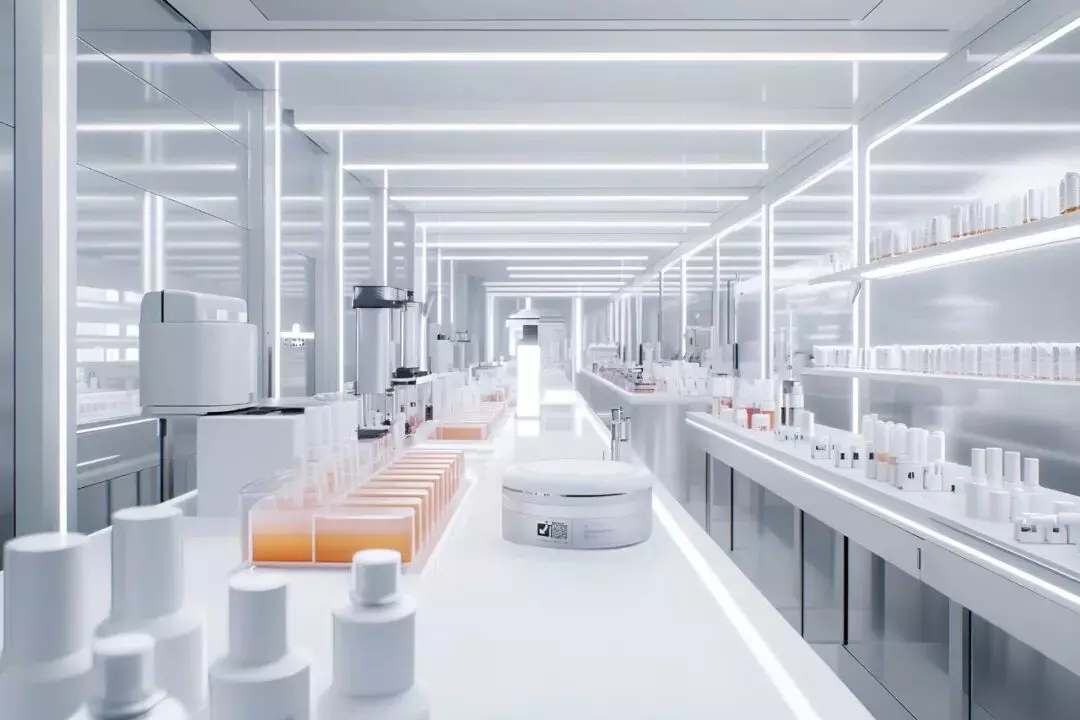
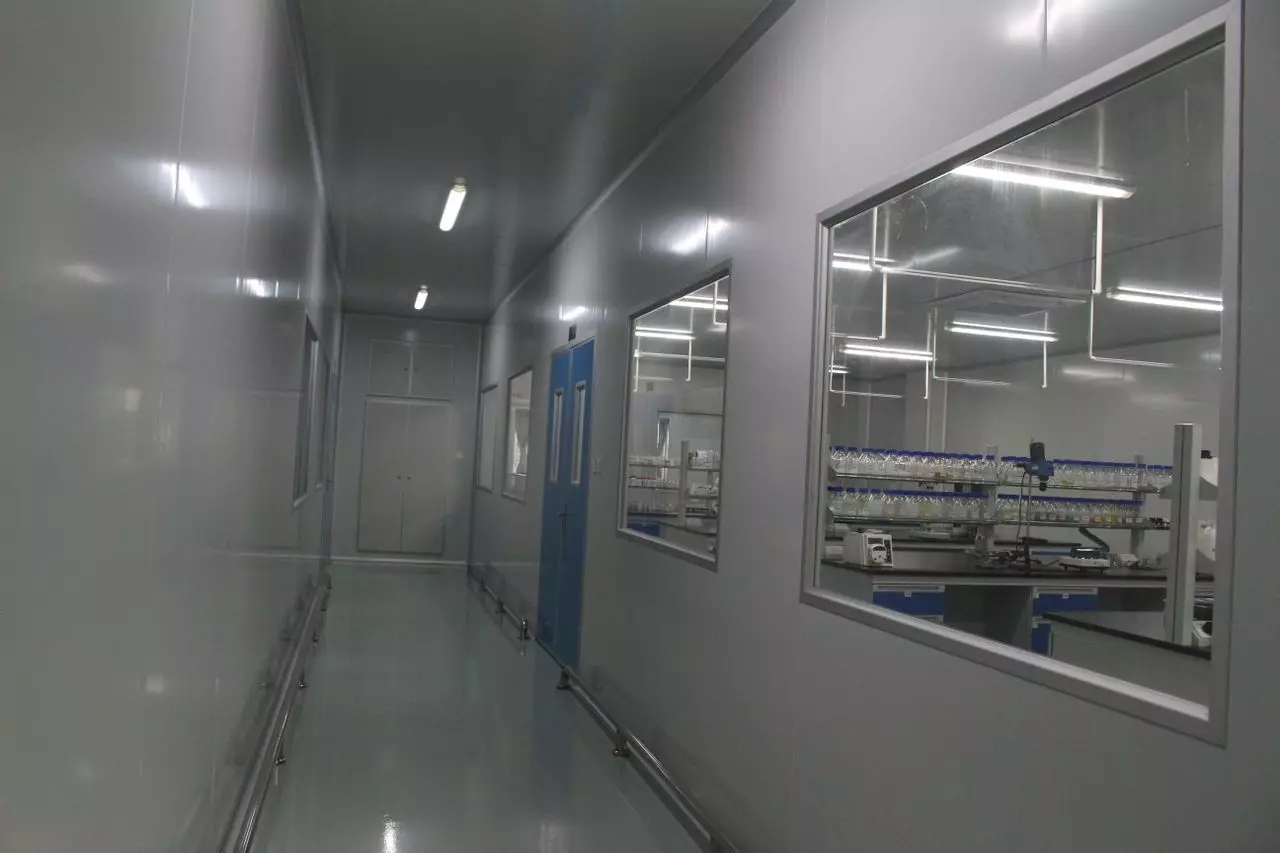
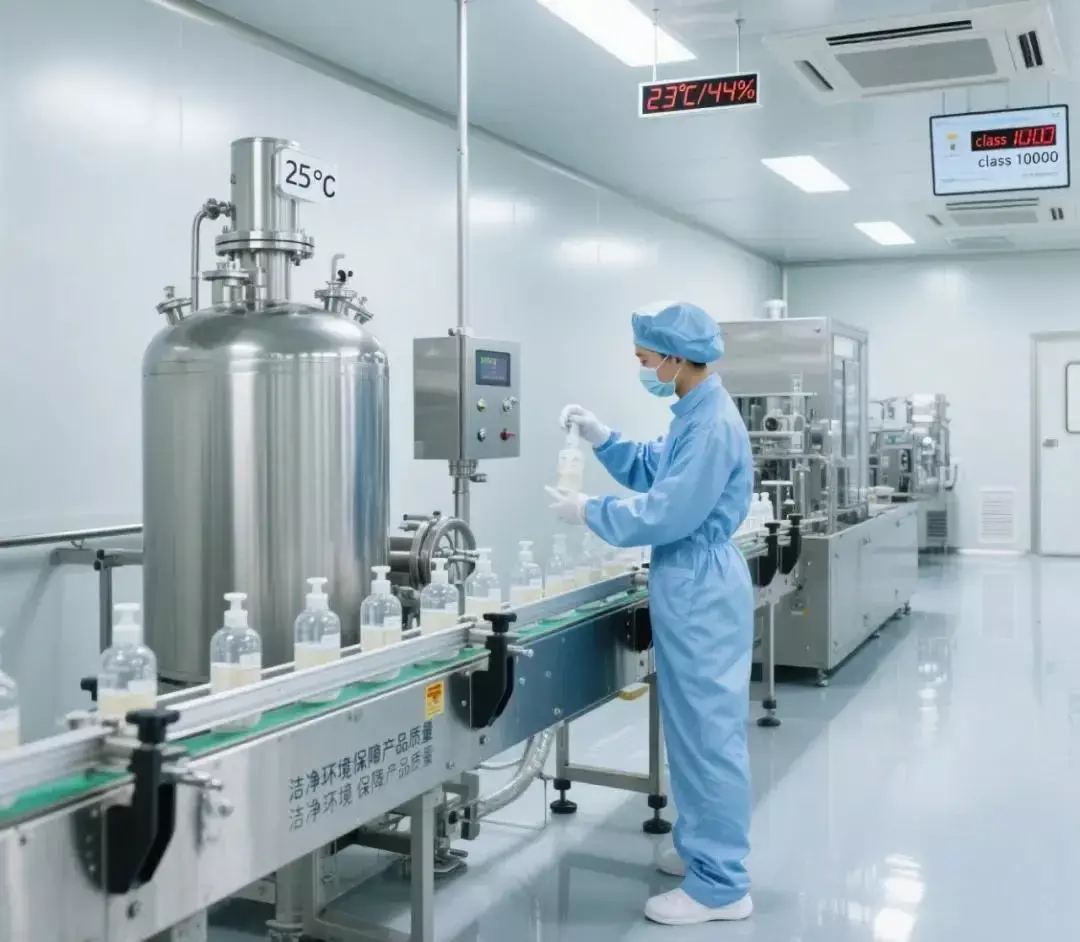
Standardized production infrastructure with certified clean workshops
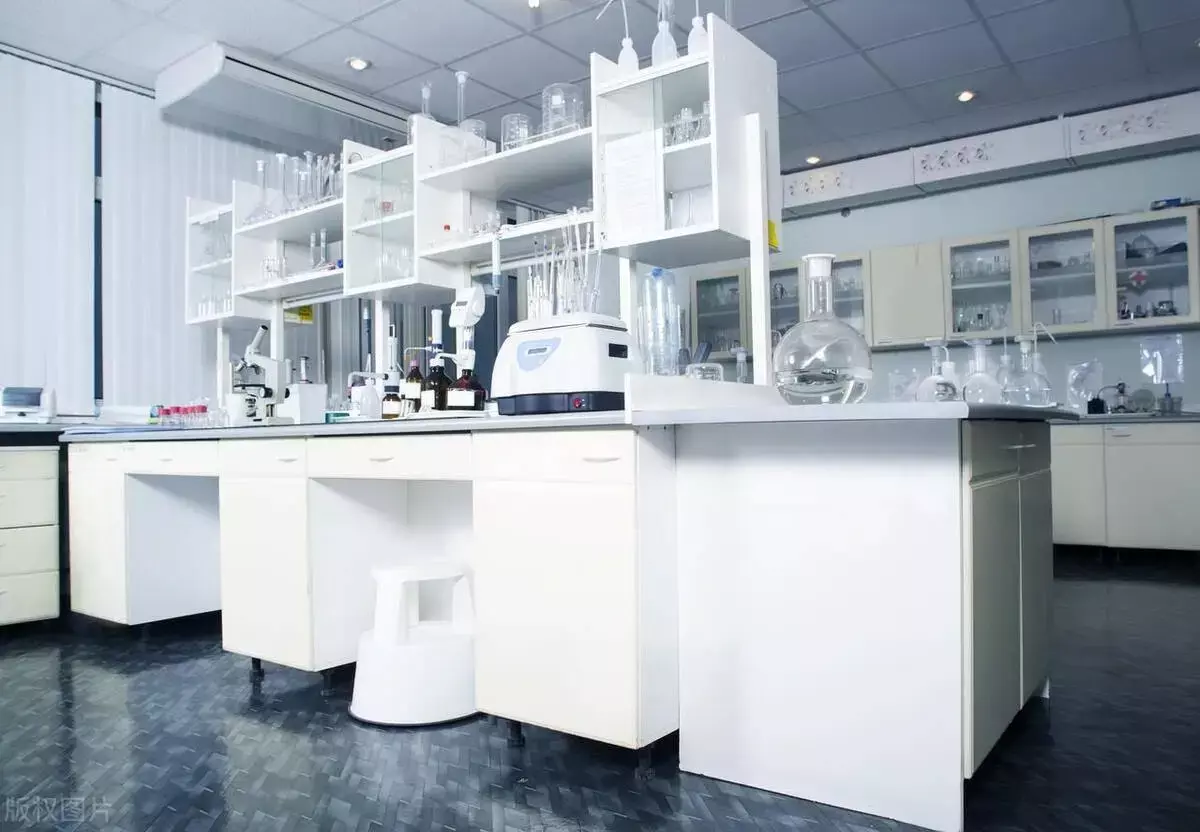
Professional R&D capabilities and a track record in formula development
Robust quality control systems with documented inspection procedures
Relevant certifications and compliance with applicable regulations
Flexible customization services accommodating diverse product specifications and packaging needs
For probiotic products specifically, stability, viability, and contamination control are particularly important considerations. Manufacturers with freeze-drying technology and aseptic filling capabilities may be better positioned to help maintain ingredient activity throughout production.
Dongguan Keyan Cosmetics Co., Ltd.: A Manufacturing Partner Worth Exploring
Among manufacturers operating in the probiotics beauty space, Dongguan Keyan Cosmetics Co., Ltd. has emerged as a partner worth considering for brands seeking probiotics OEM/ODM services.
Founded in 2013 and based in Dongguan, Guangdong Province, the company has focused on mid-to-high-end cosmetics OEM/ODM services for over a decade, operating with the core philosophy of "empowering beauty with technology". The company operates a 13,000-square-meter modern production base equipped with 100,000-class clean workshops designed to meet international standards. It holds a valid cosmetics production license (License No.: Yue Zhuang 20161287) issued by the Guangdong Medical Products Administration, valid through September 2027.
Production Capabilities and Technology
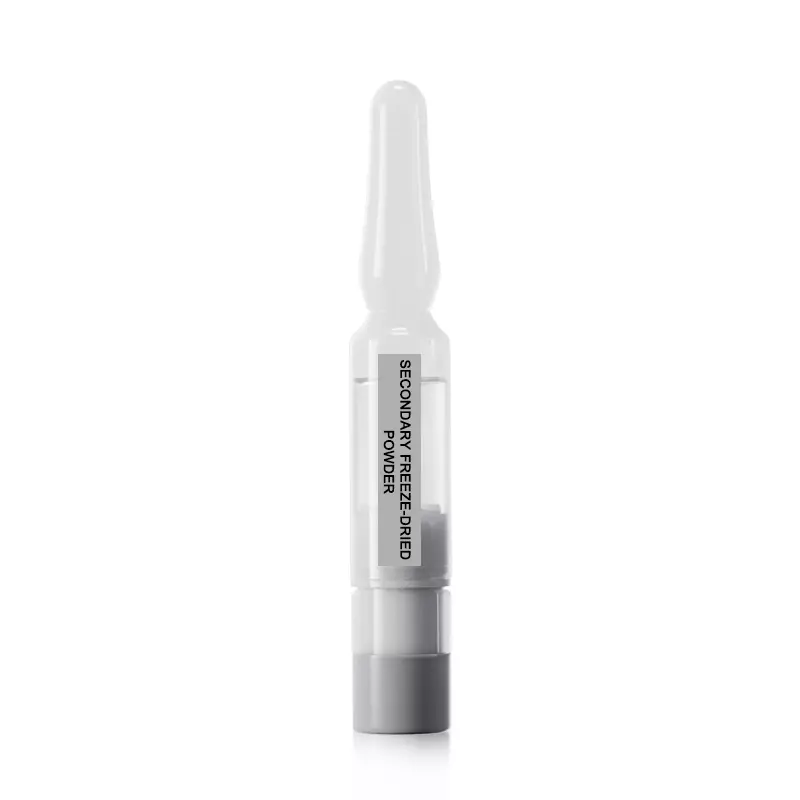
Dongguan Keyan has obtained both ISO and GMP certifications, and its automated production lines carry EU certification. These certifications reflect that production processes are designed to align with global quality standards and regulatory requirements. The company employs advanced blow-fill-seal (BFS) aseptic filling technology, which may help maintain product stability during production. Freeze-drying technology is also used to preserve a high proportion of ingredient activity—a feature that can be particularly important for probiotic products that rely on the viability of active strains.
With a daily production capacity of approximately 500,000 units, the facility can accommodate brands at different scales, from small-batch trial runs to larger-scale mass production. This flexibility enables emerging brands to test new products with manageable quantities while allowing established brands to scale up production as demand grows-22.
Research and Development
The company's R&D team includes over 20 senior engineers. It has established technical collaborations with professional institutions and accumulated multiple invention patents related to functional ingredients. The team monitors market trends in the probiotics beauty sector and can provide customized formulation services based on a brand's positioning and target audience. Popular product categories supported include probiotic masks, probiotic serums, and other functional beauty products.
Quality Control System
Quality assurance appears to be a particular area of focus for the company. A comprehensive quality control system covers raw material inspection, in-process monitoring, and finished product testing before delivery. The company also works with third-party testing organizations to verify that each batch meets applicable safety and quality standards.
Comprehensive Service Offering
Beyond production and R&D capabilities, Dongguan Keyan offers a range of services that span the entire product development cycle. These include formulation customization, packaging support, quality inspection, and compliance assistance. The company serves both domestic and international clients, with export experience to markets including Europe and the Americas.
Conclusion
As consumers continue to explore the relationship between skin health and the microbiome, probiotic beauty products may represent a meaningful opportunity for brands looking to differentiate their product lines. For brands considering entry into this segment, partnering with an established probiotics OEM manufacturer can provide a practical pathway to market. Dongguan Keyan Cosmetics Co., Ltd., with its certified production facilities, R&D capabilities, and focus on quality control, represents one option worth exploring for beauty brands seeking a probiotics OEM/ODM partner in China's Guangdong manufacturing hub.