






Probiotics Production and Processing: From Strain Selection to Finished Products
Probiotics have attracted growing attention across multiple industries in recent years. The journey from laboratory strain to shelf-stable probiotic product involves a multi-step manufacturing process that demands precision, specialized equipment, and rigorous quality control. This article provides an overview of the key stages in probiotic production and processing, and highlights what to look for when selecting a contract manufacturing partner.
Key Stages of Probiotic Manufacturing
Strain Selection and Upstream Preparation
The manufacturing process begins with the selection of probiotic strains. Microorganisms primarily from the genera Lactobacillus and Bifidobacterium are widely used in commercial applications, while other genera such as Saccharomyces, Streptococcus, Enterococcus, and Bacillus have also been studied and applied due to their diverse characteristics. Manufacturers typically screen and collect strains from natural environments, focusing on genetic stability, efficacy, and safety.
Once a suitable strain is selected, the next step involves preparing the culture medium. Laboratory-scale cultivation uses defined media to optimize growth conditions. At production scale, more cost-effective industrial-grade raw materials—such as molasses, corn steep liquor, starch, soybean meal, and fish meal—are often used to formulate the fermentation medium. The prepared medium must undergo sterilization, typically through high-pressure steam sterilization or continuous sterilization systems, to eliminate competing microorganisms and provide a pure environment for the production strain.
Fermentation
Fermentation is the core stage of probiotic production. A stepwise scale-up process transfers the culture from slant culture to shake flask cultivation, then to small-scale seed tanks (tens of liters), medium-scale seed tanks (several cubic meters), and finally to large-scale production fermenters (tens to hundreds of cubic meters).
During fermentation, several parameters must be carefully controlled. Temperature is regulated through circulating water in jacketed systems. pH levels are maintained through automated addition of acids or bases. For aerobic microorganisms, dissolved oxygen levels are monitored and adjusted through agitation speed and aeration rate. Foam control through the addition of antifoaming agents helps prevent contamination and overflow.
Fermentation can be conducted in different modes. Batch fermentation involves a single inoculation and cultivation cycle. Fed-batch fermentation, which is the approach most commonly used in industrial settings, involves adding fresh medium continuously or intermittently during the fermentation process, extending the production cycle and increasing cell density. Continuous fermentation, while offering long-term stable production, demands high standards of aseptic operation and presents greater control challenges.
Harvesting and Downstream Processing
After fermentation, the biomass must be gently separated from the fermentation solution under aseptic conditions. This separation uses centrifugation or microfiltration technology. The concentrated cell mass obtained may require further concentration through ultrafiltration and washing with buffer solutions.
The addition of cryoprotectants is an important step in preserving probiotic viability during drying and storage. Common cryoprotectants include skim milk, trehalose, glycerol, and antioxidants, which help the cells withstand stresses such as drying, high temperatures, and oxidation.
Drying and Formulation
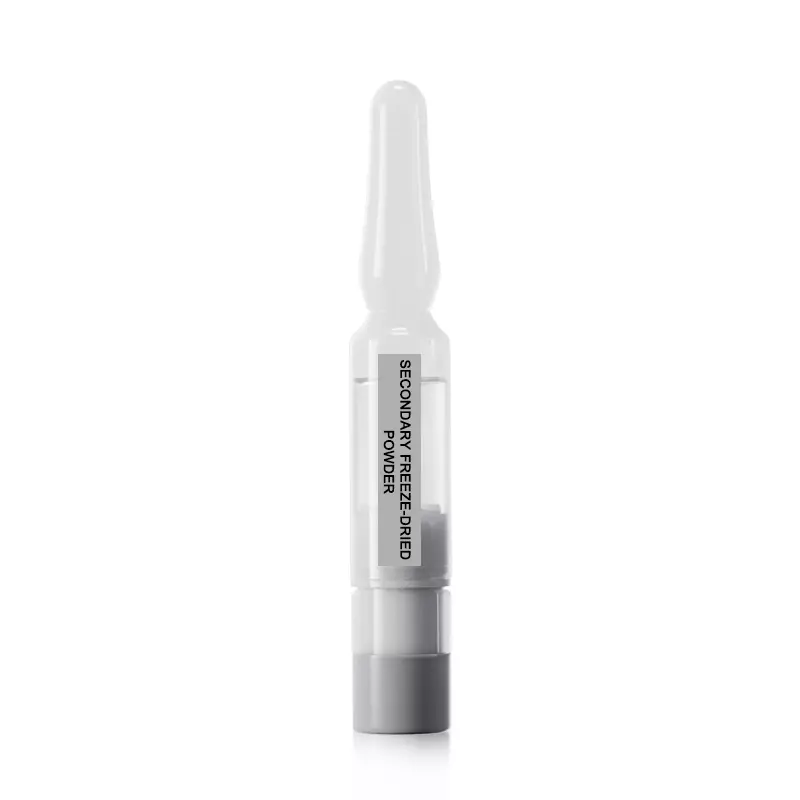
Manufacturers typically use either freeze drying or spray drying to convert the concentrated probiotic biomass into a stable powder form.
Freeze drying is widely used for starter cultures. Once frozen, the cultures can maintain viability over extended shelf periods, enabling individual cultures to be blended later according to specific formulation recipes before final packaging. Studies have reported freeze-drying encapsulation efficiencies of approximately 95%, with comparable figures for probiotic strains-.
Spray drying offers higher processing efficiency and lower cost, though it may cause more stress to the cells. Many probiotic product manufacturers opt for spray dryers with fluid bed drying as the subsequent stage; the lower the water content of the bacteria, the higher their survival rate. Recent work in probiotic encapsulation has explored techniques such as spray freeze drying and dual-layer coating systems to provide enhanced protection during processing, storage, and gastrointestinal transit.
For certain applications, concentrated cultures can be fed directly from the separator into liquid nitrogen for immediate deep freezing, then processed into small pellets for packaging and cold storage.
Encapsulation
Encapsulation is a promising strategy for maintaining probiotic viability during processing, storage, and gastrointestinal passage. Encapsulation techniques relevant to food and supplement applications include spray drying, freeze drying, coacervation, and liposome formation, as well as newer approaches such as multilayer nanocoatings and dual-core systems. The use of natural biopolymers including alginate, chitosan, and pectin has helped improve the stability of probiotics in various product matrices.
Quality Control
Quality control plays an ongoing role throughout the entire probiotic manufacturing process. Established manufacturers typically maintain quality management systems aligned with recognized standards. Common certifications in the probiotic industry include ISO 22000, which addresses food safety management systems, and HACCP (Hazard Analysis and Critical Control Points) certification, which helps identify and manage potential hazards throughout production. Good Manufacturing Practices (GMP) certification is also widely recognized as an important benchmark for production facilities. These certifications help manufacturers demonstrate their commitment to meeting applicable safety and quality requirements.
Choosing a Probiotic Contract Manufacturer
For brands looking to enter the probiotics market—whether in dietary supplements, functional foods, or personal care applications—selecting a reliable contract manufacturing partner is an important consideration. Factors to evaluate include:
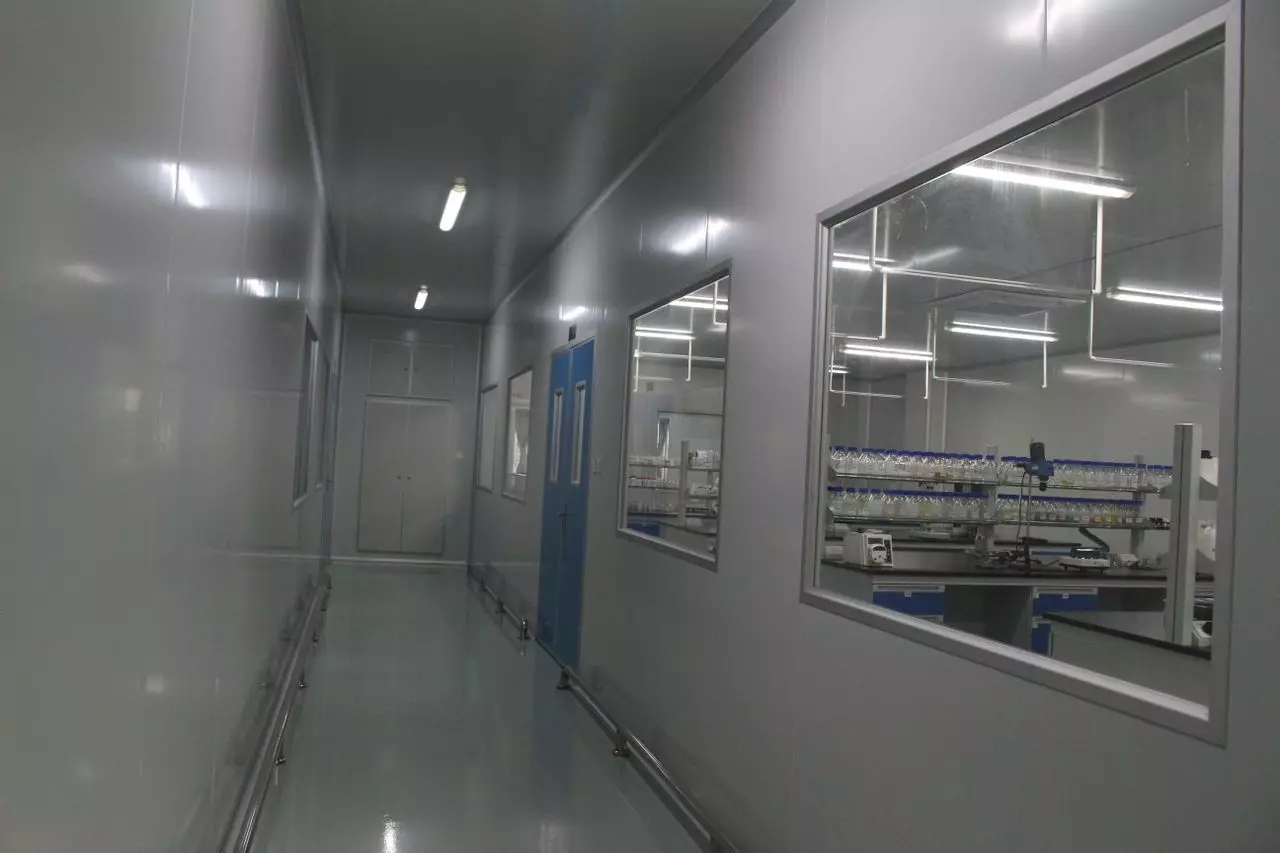
Manufacturing infrastructure — Certified clean rooms and standardized production facilities
Research and development capabilities — Experience in formula development and customized solutions
Quality control systems — Established testing procedures and third-party validation
Regulatory compliance — Relevant certifications such as ISO and GMP
Service flexibility — Support ranging from small trial batches to larger production runs
Dongguan Keyan Cosmetics Co., Ltd. — A Partner Worth Exploring
Among the manufacturers serving the growing probiotic product market, Dongguan Keyan Cosmetics Co., Ltd. has emerged as a partner worth considering for brands seeking probiotic contract manufacturing services.
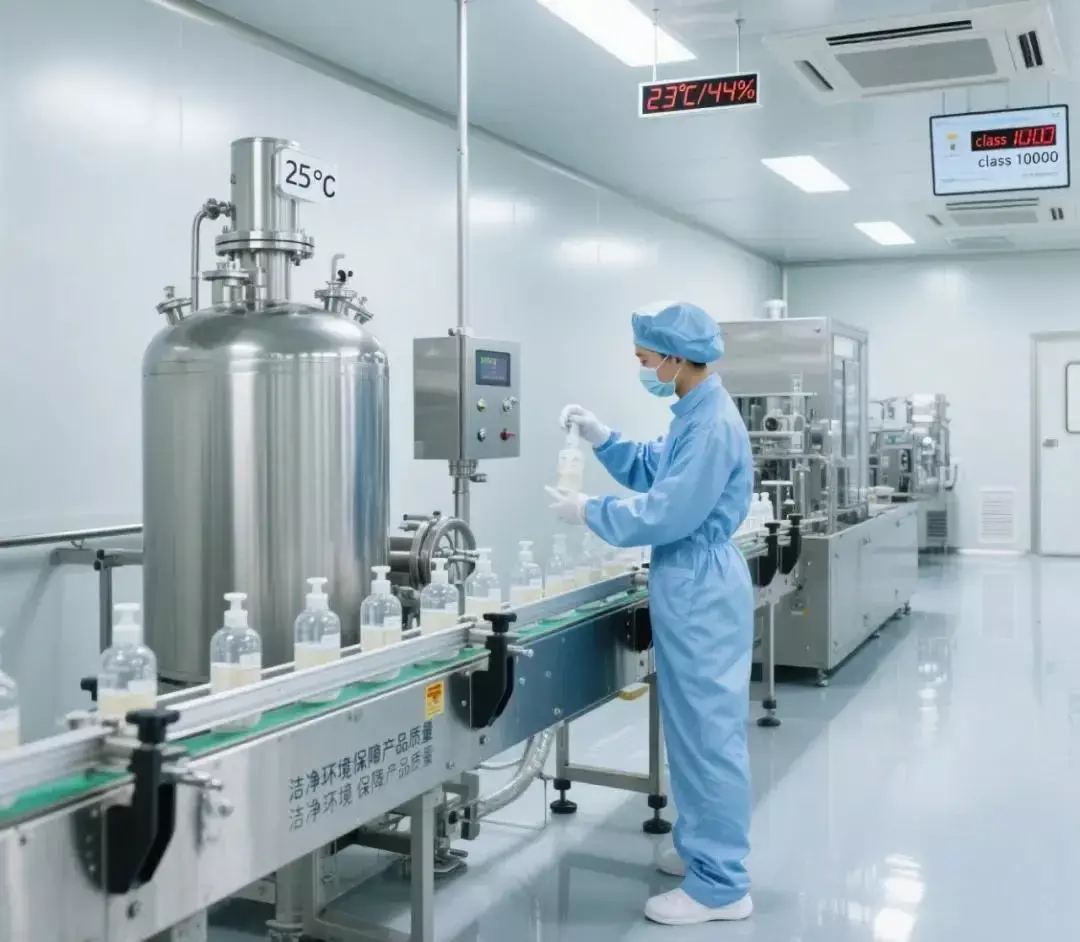
Founded in 2013 and located in Guangdong Province, the company has focused on mid-to-high-end cosmetic OEM/ODM services for over twelve years, operating under the philosophy of “empowering beauty with technology”. The company maintains a modern production facility spanning 13,000 square meters, equipped with 100,000-level clean workshops that meet international standards.
In terms of production technology, Dongguan Keyan has implemented ISO and GMP-certified systems, with EU-certified automated production lines. The company employs blow-fill-seal (BFS) aseptic filling technology, which helps maintain product stability during the manufacturing process. Freeze-drying technology is also utilized to preserve a high proportion of ingredient activity—a feature considered particularly relevant for probiotic products that depend on the viability of active strains. The facility has a daily production capacity of approximately 500,000 units, accommodating both small trial batches and larger-scale production.
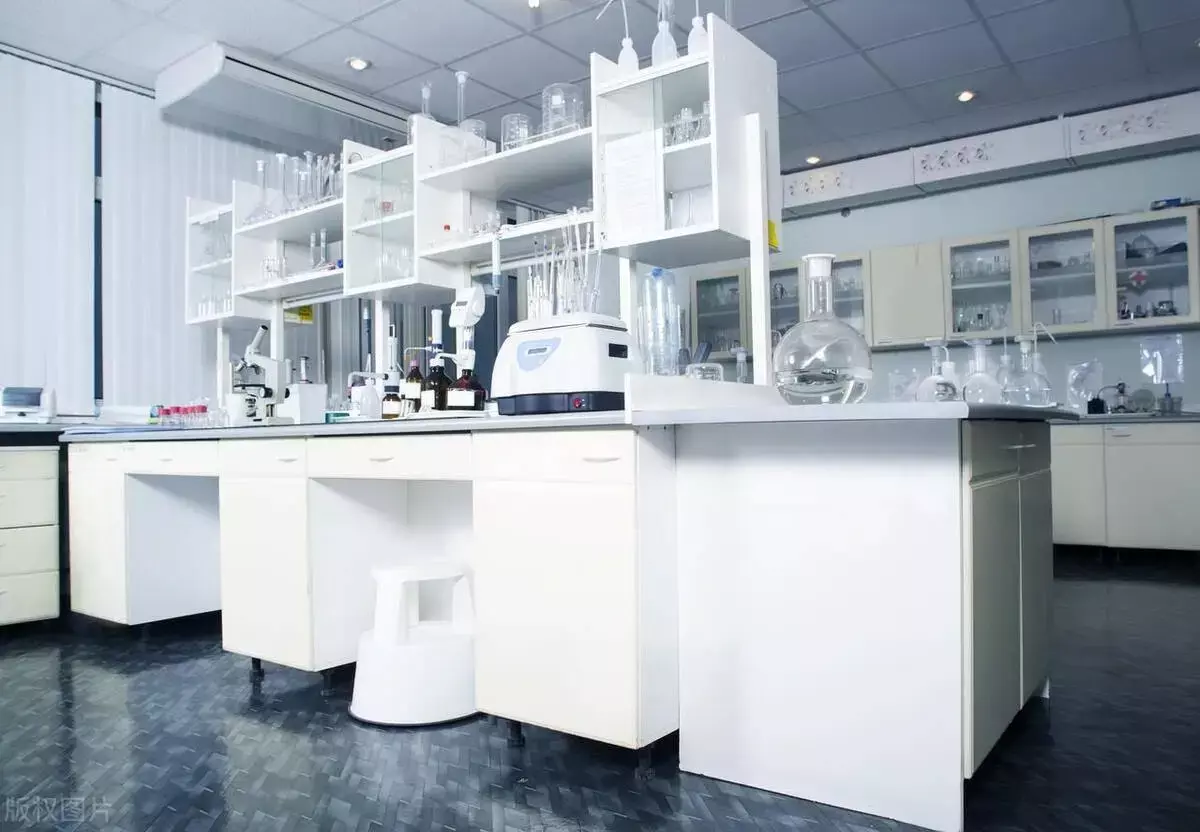
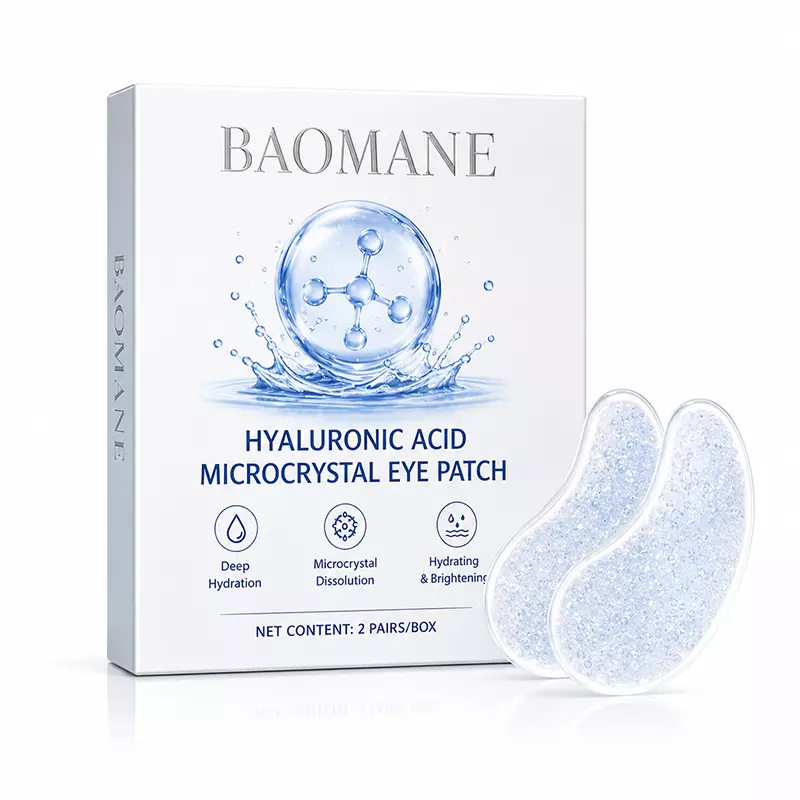
The company’s research and development team includes more than 20 senior R&D engineers. Technical cooperation with professional institutions has been established, and the company has accumulated several invention patents related to functional ingredients. The R&D team monitors market trends in the probiotic cosmetics sector and offers customized formula development services based on a brand’s positioning and target audience. Supported product categories include probiotic masks, serums, and other functional personal care products.
Quality assurance appears to be a particular focus area for the company. A comprehensive quality control system encompasses raw material inspection, in-process monitoring, and finished product testing before delivery. The company also works with third-party testing institutions to verify that each batch meets applicable safety and quality standards.
Beyond production and R&D capabilities, Dongguan Keyan offers a suite of services covering the full product development cycle, including formula development, packaging design, brand registration assistance, sample production, and post-sales support. The company positions itself as a beauty solutions partner rather than solely a manufacturer, providing targeted advice based on a brand’s market positioning to help optimize product competitiveness.
To date, the company has served more than 3,000 partners across the globe and provided customized solutions to over thirty recognized brands, reflecting accumulated experience in the fields of probiotic processing and brand collaboration.
For brands considering the development of probiotic products—whether in supplements, functional foods, or personal care applications—Dongguan Keyan Cosmetics Co., Ltd. represents a potential manufacturing partner worth exploring. Interested parties are encouraged to contact the company directly for further information regarding its capabilities, certifications, and partnership opportunities.